Energy Demands of Controlled Environment Agriculture
Controlled environment agriculture (CEA), including vertical farming, inherently requires significant energy inputs to maintain optimal growing conditions year-round, regardless of external climate fluctuations. This energy consumption primarily stems from artificial lighting, climate control, and water circulation systems, creating a substantial operational cost and carbon footprint.
In Canadian urban settings, the energy intensity of vertical farms presents both a challenge and an opportunity for innovation in sustainable practices. Balancing productivity with environmental responsibility necessitates exploring advanced energy solutions that can mitigate these high demands effectively.
Innovative Lighting and HVAC Solutions for Vertical Farms
Advanced LED lighting systems are at the forefront of energy efficiency in vertical farms, offering tunable spectrums that optimize plant growth while significantly reducing electricity consumption compared to traditional grow lights. These systems can be precisely controlled to match specific crop needs, minimizing wasted energy.
Furthermore, innovative HVAC (Heating, Ventilation, and Air Conditioning) technologies, such as geothermal heat pumps and advanced dehumidification units, are crucial for maintaining ideal temperature and humidity levels with greater energy efficiency. These solutions help to create a stable microclimate essential for crop health.
Optimizing energy use in vertical farming is not just about sustainability; it's about redefining urban food production for a resilient future.
Integrating Renewable Energy and Waste Heat Recovery in Urban Farms
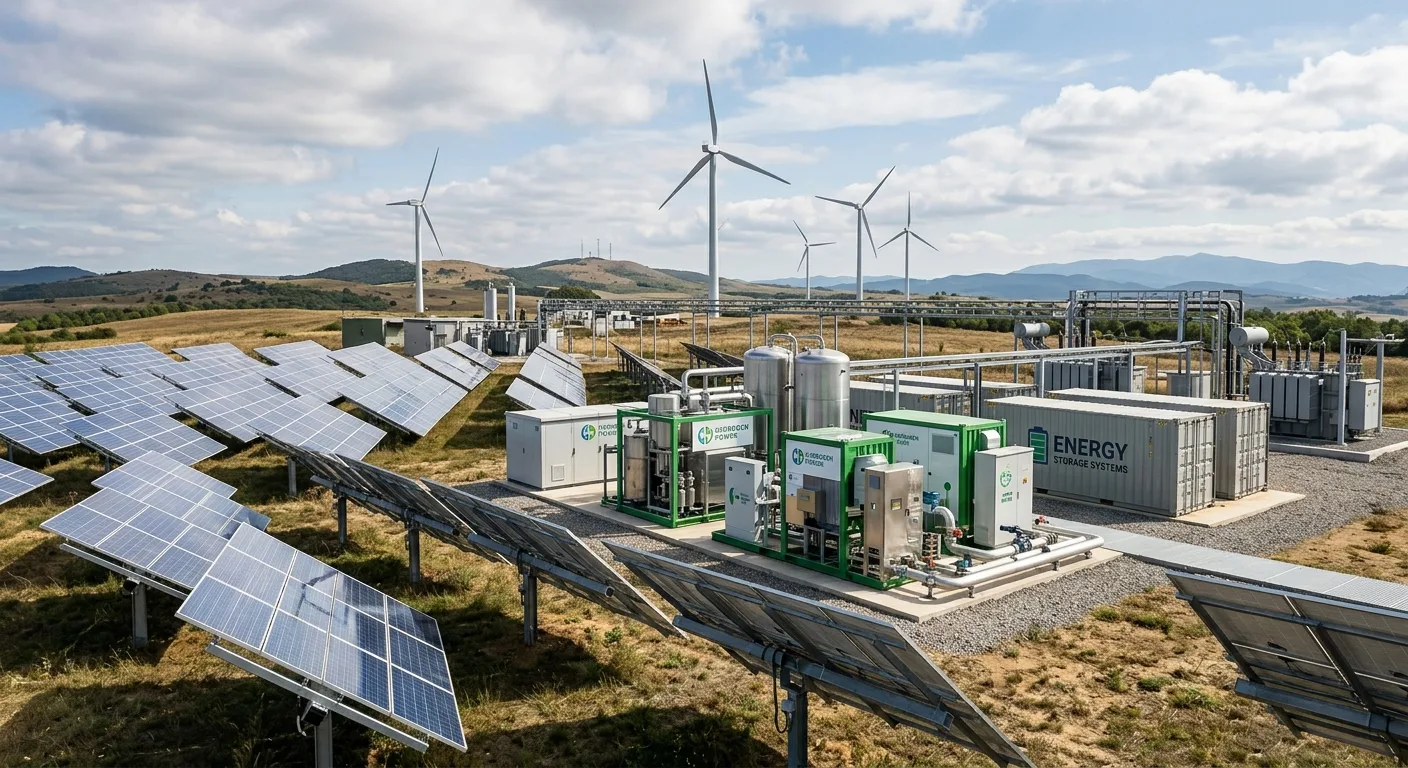
Canadian vertical farms are increasingly integrating renewable energy sources, such as rooftop solar panels and small-scale wind turbines, to power their operations and reduce reliance on grid electricity. This shift towards on-site renewable generation enhances the farm's sustainability profile and energy independence.
Waste heat recovery systems, often sourced from nearby industrial facilities or urban infrastructure, also play a vital role in improving energy efficiency. By capturing and repurposing heat that would otherwise be expelled, these farms can significantly lower their heating costs and overall energy footprint.
Economic and Environmental Benefits of Energy-Efficient Vertical Farming
The adoption of energy-efficient technologies in vertical farming leads to considerable economic benefits, including reduced operational expenses and increased profitability due to lower utility bills. This financial sustainability supports the long-term viability and expansion of urban agricultural initiatives in Canada.
Environmentally, these innovations contribute to a smaller carbon footprint, conserve water through closed-loop systems, and minimize the need for long-distance transportation of produce. This enhances local food security and provides fresh, sustainably grown produce to Canadian communities.