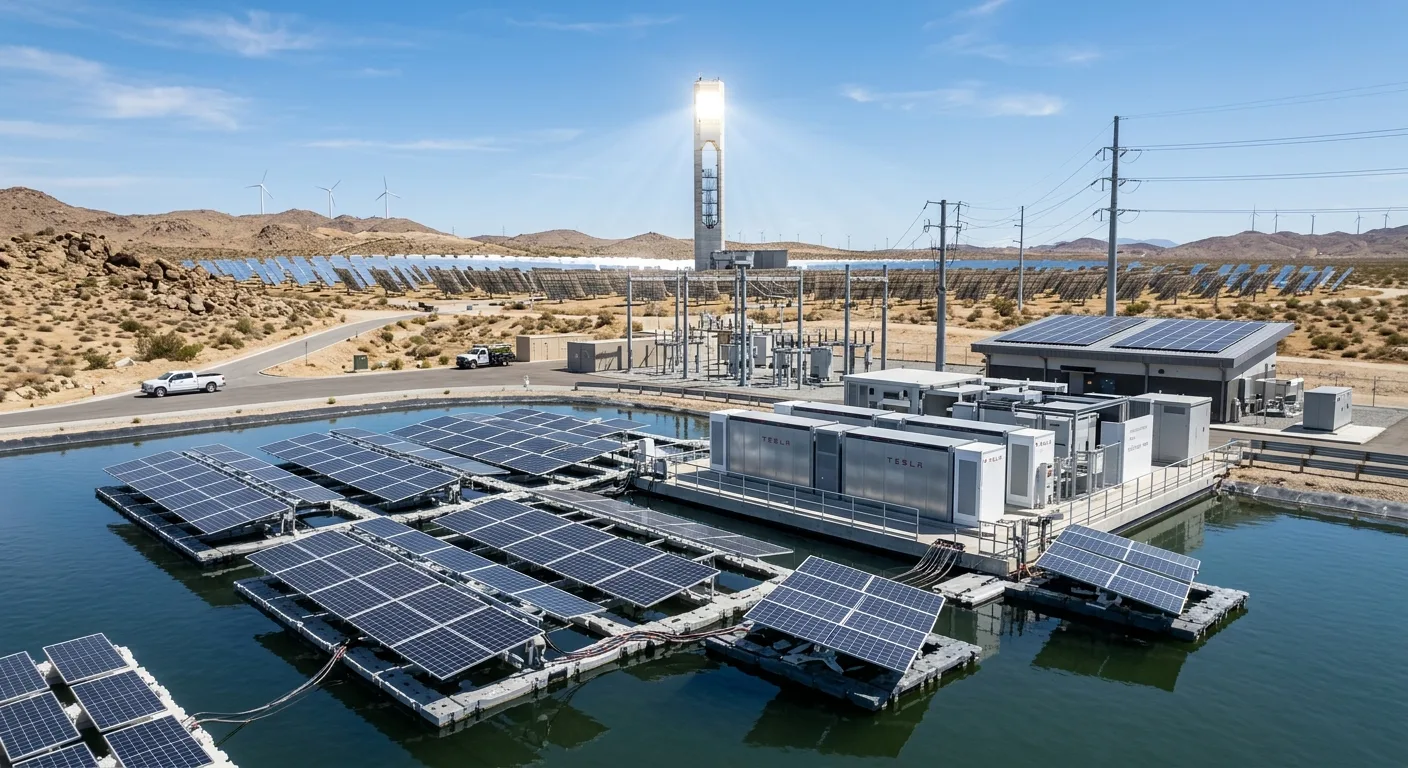
Role of Battery Storage in Stabilizing Renewable Energy Grids
Integrating intermittent renewable energy sources like solar and wind into the national grid presents significant challenges for stability and reliability. Battery storage systems act as crucial buffers, absorbing excess energy during peak generation and releasing it during high demand or low production periods. This capability minimizes fluctuations and ensures a consistent power supply, making the grid more resilient and efficient.
These systems are essential for frequency regulation, voltage support, and black start capabilities, which are vital for maintaining grid integrity. By providing rapid response times, batteries can prevent outages and reduce the need for fossil fuel-based peaker plants, contributing to a cleaner and more stable energy infrastructure throughout Canada.
Key Battery Technologies Driving Grid Modernization in Canada
A range of battery technologies is being deployed to modernize Canada's power grid, each with unique advantages. Lithium-ion batteries currently dominate due to their high energy density and efficiency, suitable for both short-duration and longer-duration storage applications. Flow batteries, with their scalable design and longer discharge durations, are gaining traction for large-scale, long-term storage needs.
Other emerging technologies, such as solid-state batteries and advanced lead-acid batteries, are also under development, promising further improvements in safety, cost, and performance. Canada's investment in these diverse battery solutions is critical for building a robust and adaptable energy infrastructure capable of handling future energy demands.
Battery storage isn't just about storing energy; it's about storing resilience, independence, and a cleaner future for Canada.
Challenges and Opportunities for Large-Scale Battery Deployment
Deploying large-scale battery storage across Canada faces several challenges, including high upfront capital costs, the need for extensive grid infrastructure upgrades, and environmental considerations related to battery manufacturing and disposal. Sourcing raw materials sustainably and developing effective recycling programs are paramount for long-term viability. Overcoming these hurdles requires strategic planning and collaborative efforts.
Despite these challenges, the opportunities are immense. Large-scale battery deployment can unlock significant economic benefits, create new jobs in manufacturing and installation, and reduce reliance on energy imports. It also enables remote communities to transition away from diesel generators, providing cleaner, more reliable power and fostering energy equity across the vast Canadian landscape.
Policy and Investment: Accelerating Grid Storage Adoption Across Provinces
Government policies and targeted investments are crucial for accelerating the adoption of grid-scale battery storage across Canadian provinces. Initiatives like carbon pricing, clean energy mandates, and research and development grants incentivize the deployment of these technologies. Regulatory frameworks that streamline permitting and interconnection processes are also essential for rapid implementation.
Provincial governments are actively exploring various funding models, including public-private partnerships and utility-led projects, to finance large battery installations. Coordinated national and provincial strategies are vital to ensure a cohesive approach to grid modernization, maximizing the benefits of battery storage for Canada's energy future.