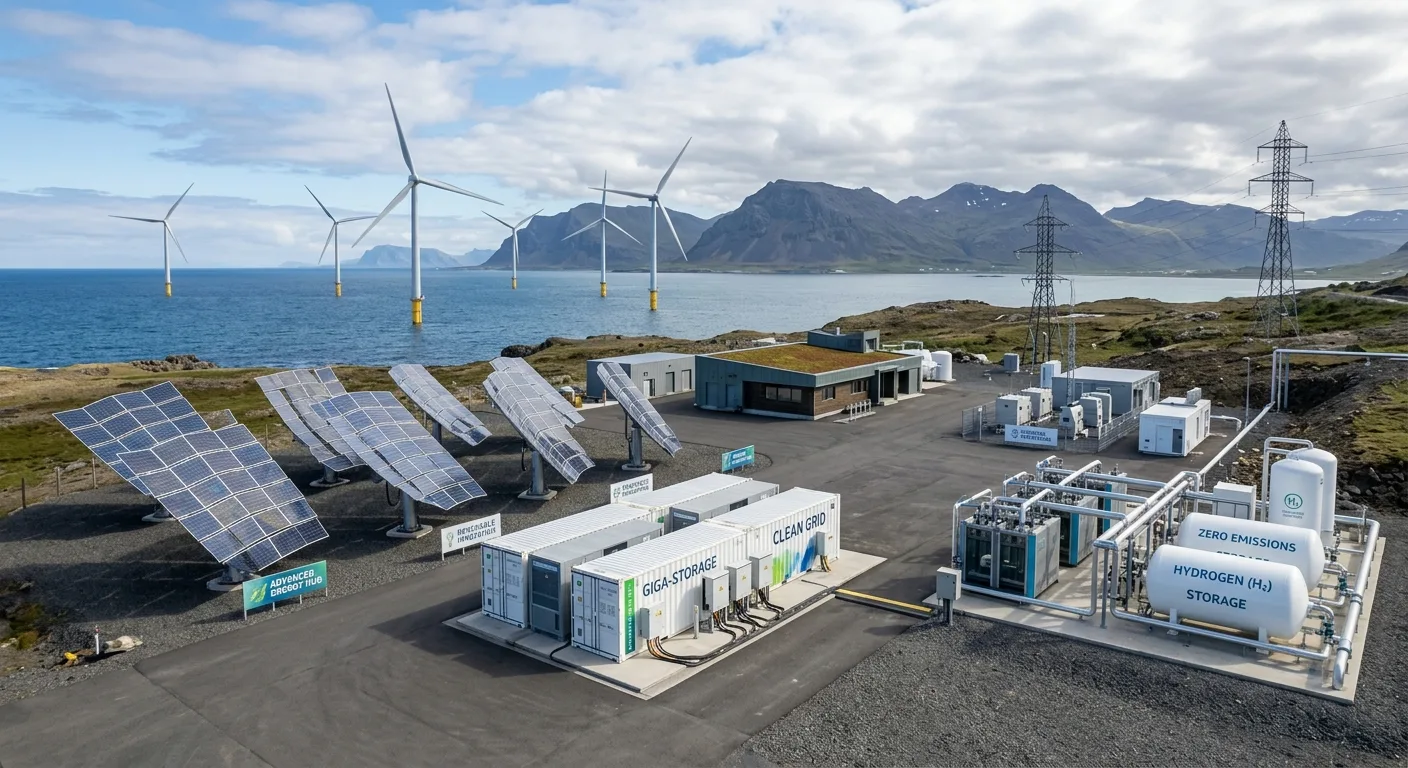
The Reality of Hydrogen Production and Storage Safety
A frequent concern revolves around the safety of hydrogen production and storage. While hydrogen is flammable, modern industrial practices and technologies have significantly advanced to ensure its safe handling. Production facilities, transportation methods, and storage solutions adhere to stringent Canadian safety regulations.
Innovations in solid-state hydrogen storage and advanced leak detection systems further mitigate risks. These developments make hydrogen a manageable and secure energy carrier, comparable to other industrial fuels when proper protocols are observed and maintained.
Debunking the 'Too Expensive' Myth: Cost-Effectiveness in Industrial Settings
The perception that hydrogen fuel cells are prohibitively expensive for industrial use is a common barrier to adoption. However, a comprehensive lifecycle cost analysis often reveals a different picture. Initial capital outlays are decreasing, driven by technological advancements and economies of scale in manufacturing.
When considering operational savings from reduced emissions, lower maintenance requirements, and potential carbon credits, the long-term cost-effectiveness becomes apparent. For specific industrial applications, hydrogen fuel cells can offer significant economic advantages over traditional fossil fuel systems.
Understanding the true capabilities and safety measures of hydrogen fuel cells is paramount for their successful integration into Canada's industrial landscape.
Performance and Durability: Addressing Concerns for Canadian Operations
Concerns about the performance and durability of hydrogen fuel cells in Canada's diverse and often harsh climate are frequently raised. Modern fuel cell systems are engineered to operate reliably across a wide range of temperatures, from extreme cold to moderate heat, essential for Canadian industrial operations.
Ongoing research and development have led to robust designs that resist degradation and maintain efficiency over extended periods. This ensures that hydrogen fuel cell technology can consistently meet the demanding power requirements of various industrial sectors, even in challenging environments.
Infrastructure Development: Separating Hype from Progress in Canada
The idea that Canada lacks the necessary infrastructure for widespread hydrogen adoption is gradually becoming outdated. Significant investments are being made in hydrogen production, distribution, and refueling networks across the country, moving beyond mere theoretical discussions.
While a complete national infrastructure is still evolving, regional hubs and corridors are emerging, particularly in industrial areas. This targeted development supports specific sector needs and demonstrates tangible progress towards a more comprehensive hydrogen energy ecosystem in Canada.